1. Reflect on how you stayed strong during the Soviet occupation.
2. Describe how you felt about being able to become someone else during WW II.
3. Interpret what not being able to go to medical school showed about discrimination towards Jews.
4.Compare and Contrast your life in Poland and your life in England.
5. Explain what freedom from Communism has meant to you.
Monday, February 28, 2011
WW II First Aid Pouch
 These are U.S. first aid pouches from WW II. I chose these artifacts because they were with soldiers while in battle and have probably had some blood on them at times. These show that small pouches of bandages were all soldiers had to help them with their wounds until more advanced medical care arrived, if the soldier wasn't already dead. The soldiers that fought in WW II only had a small means of medical help while they risked their lives in war. These first aid pouches may have been the only hope soldiers had to stop the bleeding and stay alive. The snaps and clips on the back have rust on them and the cloth has some rips and tears. These pouches were worn on a belt or put in a bag. They normally carried bandages in them.
Source: http://cgi.ebay.com/4-WWII-US-Army-M1942-First-Aid-Pouches_W0QQitemZ120691630863QQcategoryZ4721QQcmdZViewItemQQ_trksidZp4340.m263QQ_trkparmsZalgo%3DSIC%26its%3DI%252BC%26itu%3DUCI%252BIA%252BUA

Tuesday, February 22, 2011
Letter To the Principal
Dear Principal,
It has come to my attention that certain parts of history have been edited or excluded in the high school history curriculum. This censoring prevents students from gaining a full grasp on history, whether the topics are good or bad. Such events as the Rape of Nanking, in which innocent Chinese were slaughtered like animals and burned alive as the Japanese took pride in their killings, should definitely not be twisted into something they're not. The more recent Rwanda genocide, in which hundreds of thousands of people were killed because they were of a different cultural group, shows students that genocide is still possible and could potentially be more deadly due to further advancements in technology. Showing images and movies that deal with these graphic and difficult topics makes these events more real to those who didn't live them. Learning about mass genocide gives hope to the world to prevent these horrific events from reoccurring. Children are the future and what is taught in schools will influence the decisions of tomorrow. Thank you for your time.
Sincerely,
Bessie Haddaway
Concerned High School Student
It has come to my attention that certain parts of history have been edited or excluded in the high school history curriculum. This censoring prevents students from gaining a full grasp on history, whether the topics are good or bad. Such events as the Rape of Nanking, in which innocent Chinese were slaughtered like animals and burned alive as the Japanese took pride in their killings, should definitely not be twisted into something they're not. The more recent Rwanda genocide, in which hundreds of thousands of people were killed because they were of a different cultural group, shows students that genocide is still possible and could potentially be more deadly due to further advancements in technology. Showing images and movies that deal with these graphic and difficult topics makes these events more real to those who didn't live them. Learning about mass genocide gives hope to the world to prevent these horrific events from reoccurring. Children are the future and what is taught in schools will influence the decisions of tomorrow. Thank you for your time.
Sincerely,
Bessie Haddaway
Concerned High School Student
Monday, February 21, 2011

Wednesday, February 16, 2011
"Cinderella Man" Outline
I. "Cinderella Man"
A. James J. Braddock (Jimmy)
1. Boxer in 1920s and 1930s
2. Was a lightweight champion before he broke his wrist
B. Married to Mae Braddock
1. Three kids together
2. Mae worries about Jimmy getting hurt in the fights
II.Great Depression
A. Family loses everything
1. Jimmy loses all of his money in the stock market
2. Jimmy looks for shifts at the dock to make some money
3. Mortgage is overdue
4. Electric and heat get turned off
5. Not enough food
B. James broke his wrist in a fight
1. Got his boxing license suspended
2. Money is tighter
3.Asks for money from Emergency Relief
4. Asks for money from big executives at Madison Square Garden
III. James is back in the ring
A. James' manager, Joe, gets him a fight at Madison Square Garden now that his hand is healed
1. Corn Griffin vs. James J. Braddock, Braddock wins
2. John Henry Lewis vs. James J. Braddock, Braddock wins
3. Art Lasky vs. James J. Braddock, Braddock wins
B. Mae worries about Jimmy getting hurt in the fights.
1. Her explanation is that if Jimmy gets hurt, he won't be able to work, and they won't have money.
IV. The Big Fight
A. Jimmy, the underdog
1. Jimmy pays back the money he received from Emergency Relief
2. A sports reporter calls Jimmy the "Cinderella Man" (rags to riches story)
B. Max says to Mae that Jimmy might not make it out of the fight alive.
1. She doesn't watch the fight in person or listen to it one the radio because she fears for Jimmy's life.
2. Baer was said to have killed two men while boxing.
C. June 13, 1935
1. Braddock wins against Baer and becomes the Heavyweight Champion of the World.
V. Afterwards
A. Life After Boxing
1. Jimmy works in construction of the Verrazano Bridge and owned and worked with heavy machinery on the docks where he worked shifts during the Great Depression.
2. Mae and Jimmy use the money from the fights to buy the house that they lived in for the rest of their days.
A. James J. Braddock (Jimmy)
1. Boxer in 1920s and 1930s
2. Was a lightweight champion before he broke his wrist
B. Married to Mae Braddock
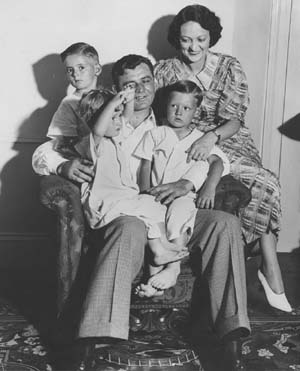
1. Three kids together
2. Mae worries about Jimmy getting hurt in the fights
II.Great Depression
A. Family loses everything
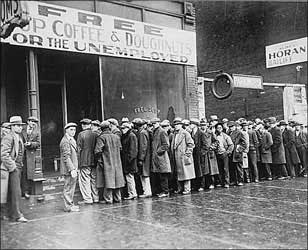
1. Jimmy loses all of his money in the stock market
2. Jimmy looks for shifts at the dock to make some money

3. Mortgage is overdue
4. Electric and heat get turned off

5. Not enough food
B. James broke his wrist in a fight
1. Got his boxing license suspended
2. Money is tighter
3.Asks for money from Emergency Relief
4. Asks for money from big executives at Madison Square Garden
III. James is back in the ring
A. James' manager, Joe, gets him a fight at Madison Square Garden now that his hand is healed
1. Corn Griffin vs. James J. Braddock, Braddock wins
2. John Henry Lewis vs. James J. Braddock, Braddock wins
3. Art Lasky vs. James J. Braddock, Braddock wins
B. Mae worries about Jimmy getting hurt in the fights.
1. Her explanation is that if Jimmy gets hurt, he won't be able to work, and they won't have money.
IV. The Big Fight
A. Jimmy, the underdog
1. Jimmy pays back the money he received from Emergency Relief
2. A sports reporter calls Jimmy the "Cinderella Man" (rags to riches story)
B. Max says to Mae that Jimmy might not make it out of the fight alive.
1. She doesn't watch the fight in person or listen to it one the radio because she fears for Jimmy's life.
2. Baer was said to have killed two men while boxing.
C. June 13, 1935
1. Braddock wins against Baer and becomes the Heavyweight Champion of the World.
V. Afterwards
A. Life After Boxing
1. Jimmy works in construction of the Verrazano Bridge and owned and worked with heavy machinery on the docks where he worked shifts during the Great Depression.
2. Mae and Jimmy use the money from the fights to buy the house that they lived in for the rest of their days.
Monday, February 14, 2011
Wednesday, February 9, 2011
Topic 7 Concept Guide
The Scopes Trial: John Scopes, a teacher in Tennessee, was arrested and put on trial for teaching evolution in schools. Tennessee was heavily Protestant and KKK. It was on of the biggest cases of the 1920s. It was a fight between religion and science.
Prohibition: the ban of the manufacture and sale of alcohol, didn't include the banning of possession, consumption, or transportation of alcohol. 18th amendment banned the manufacture and sale of alcohol. The IRS was in charge of enforcing prohibition, though it wasn't enforced very well. Prohibition caused more bars, drinking, and crime.
Flappers: women in the 1920s that had short hair, wore lots of makeup, smoked, drank, wore shorter dresses showing their calves. Women were more liberated in the 1920s and presented themselves in that way by the way they dressed and acted.
Economic Issues (1920s): people bought on credit, using money they didn't have, thinking that they would pay it back later; low interest rates encouraged people to borrow money, installment plans were introduced: people could pay off something a little bit each month, people had discretionary income: money left over to pay nonessentials, people speculated the trends of the stock market.
Dust Bowl: farmers farmed the land too much, didn't allow the soil to recover. The soil becomes infertile. Dust blows as far as the East Coast and covers houses and cars. Farmers were broke because they didn't have fertile land to grow their crops on.Causes of Dust Bowl: drought, over farming, mechanization
Agricultural Issues: the Dust Bowl affected the amount of crops that were able to be grown in the United States. Upton Sinclair wrote "The Jungle", which discussed the truth about the meat packing plants in the U.S.
Immigration Policies: World War I limited immigration to the U.S. The U.S. thought they could thrived without immigrants and the quota system began. Ethnic groups were limited to 2% of the count from the 1890 census. Asians were not allowed into the country at all.
Nativism: when a country favors its native people instead of its immigrants. After WWI, immigration was limited in the U.S. The United States thought they could thrive without immigrants.
Significant Literary Works (1920s): Jacob A. Ris wrote "How The Other Half Lives", a photo-essay about the large difference in social class in New York City. Upton Sinclair wrote "The Jungle". He went undercover in the meat packing industry to expose the truth of what was going in packaged meat. Langston Hughes wrote "The Ways of White Folks". It was with this book that Whites were first called out for the unjust treatment of Blacks.
The Great Migration: a huge population in shift in which African Americans moved from the South to the North.
Harlem Renaissance: a celebration of African American culture through art, music, and literature during the 1920s in New York City.
Sacco and Vanzetti: Italian immigrant anarchists that were charged with murder and robbery.
Labor Issues (1920s): The Railway Labor Act was passed, which made it illegal for employers to discriminate employees that joined unions. The violent Loray Mill Strike was when masked men destroyed the National Textile Workers Union building. The Child Labor Amendment was proposed, but it didn't become an amendment to the Constitution. Protesting coal miners were killed in the Columbine mine massacre.
The Red Scare: The U.S. became afraid of anything non-American, particularly foreigners. During the Palmer raids, people were jailed if they were thought to be communist or anarchist.
Schneck v. the United States: the Espionage and Sedition Acts were declared constitutional by the Supreme Court.
Prohibition: the ban of the manufacture and sale of alcohol, didn't include the banning of possession, consumption, or transportation of alcohol. 18th amendment banned the manufacture and sale of alcohol. The IRS was in charge of enforcing prohibition, though it wasn't enforced very well. Prohibition caused more bars, drinking, and crime.
Flappers: women in the 1920s that had short hair, wore lots of makeup, smoked, drank, wore shorter dresses showing their calves. Women were more liberated in the 1920s and presented themselves in that way by the way they dressed and acted.
Economic Issues (1920s): people bought on credit, using money they didn't have, thinking that they would pay it back later; low interest rates encouraged people to borrow money, installment plans were introduced: people could pay off something a little bit each month, people had discretionary income: money left over to pay nonessentials, people speculated the trends of the stock market.
Dust Bowl: farmers farmed the land too much, didn't allow the soil to recover. The soil becomes infertile. Dust blows as far as the East Coast and covers houses and cars. Farmers were broke because they didn't have fertile land to grow their crops on.Causes of Dust Bowl: drought, over farming, mechanization
Agricultural Issues: the Dust Bowl affected the amount of crops that were able to be grown in the United States. Upton Sinclair wrote "The Jungle", which discussed the truth about the meat packing plants in the U.S.
Immigration Policies: World War I limited immigration to the U.S. The U.S. thought they could thrived without immigrants and the quota system began. Ethnic groups were limited to 2% of the count from the 1890 census. Asians were not allowed into the country at all.
Nativism: when a country favors its native people instead of its immigrants. After WWI, immigration was limited in the U.S. The United States thought they could thrive without immigrants.
Significant Literary Works (1920s): Jacob A. Ris wrote "How The Other Half Lives", a photo-essay about the large difference in social class in New York City. Upton Sinclair wrote "The Jungle". He went undercover in the meat packing industry to expose the truth of what was going in packaged meat. Langston Hughes wrote "The Ways of White Folks". It was with this book that Whites were first called out for the unjust treatment of Blacks.
The Great Migration: a huge population in shift in which African Americans moved from the South to the North.
Harlem Renaissance: a celebration of African American culture through art, music, and literature during the 1920s in New York City.
Sacco and Vanzetti: Italian immigrant anarchists that were charged with murder and robbery.
Labor Issues (1920s): The Railway Labor Act was passed, which made it illegal for employers to discriminate employees that joined unions. The violent Loray Mill Strike was when masked men destroyed the National Textile Workers Union building. The Child Labor Amendment was proposed, but it didn't become an amendment to the Constitution. Protesting coal miners were killed in the Columbine mine massacre.
The Red Scare: The U.S. became afraid of anything non-American, particularly foreigners. During the Palmer raids, people were jailed if they were thought to be communist or anarchist.
Schneck v. the United States: the Espionage and Sedition Acts were declared constitutional by the Supreme Court.
Monday, February 7, 2011
Small Group Presentations
During the small group presentations about the gangsters of the 1920s and organized crime, I learned that "Pretty Boy" Floyd's nickname was "Choc". He got that nickname because of all the chocolate he liked. Both "Pretty Boy" Floyd and "Babyface" Nelson worked with John Dillenger. Kate "Ma" Barker waited until her sons graduated high school before she began her life of crime. She wouldn't let her sons have law-abiding friends. "Babyface" Nelson was arrested at age 12. He joined John Dillenger's gang and worked with Al Capone. People made fun of "Babyface" because of his height and because he had a baby face. "Machine Gun" Kelly abused his son, Sonny, and met Al Capone at Alcatraz.
Tuesday, February 1, 2011
Acrostic Poem
Parties were more sobering
Rose wine wasn't allowed
Over time, federal police powers increased
Hobs and barley were being used to make homemade beer
Intentions to get around the police were more common
Beer wasn't part of the party
It wasn't long before the 18th amendment was repealed
Tequila wasn't flowing
In general, alcohol was illegal
On the contrary, people still drank
No one was allowed to drink
Red Scare made everyone paranoid
Old Americans didn't like the new ways
Applesauce, the word of choice
Result of the stock market crash was the Great Depression
Immigration restrictions became tighter
No one should mess with Al Capone
Gangsters and mobs ruled the streets
The radio as the king of entertainment
When the stock market crashed, everyone was broke
Engagement rings were known as handcuffs
Neat and spiffy the guys dressed
The boss was known as the Big Cheese
It was a time of parties and liberation
Everyone bought on credit
Shorter skirts were worn by the girls
Rose wine wasn't allowed
Over time, federal police powers increased
Hobs and barley were being used to make homemade beer
Intentions to get around the police were more common
Beer wasn't part of the party
It wasn't long before the 18th amendment was repealed
Tequila wasn't flowing
In general, alcohol was illegal
On the contrary, people still drank
No one was allowed to drink
Red Scare made everyone paranoid
Old Americans didn't like the new ways
Applesauce, the word of choice
Result of the stock market crash was the Great Depression
Immigration restrictions became tighter
No one should mess with Al Capone
Gangsters and mobs ruled the streets
The radio as the king of entertainment
When the stock market crashed, everyone was broke
Engagement rings were known as handcuffs
Neat and spiffy the guys dressed
The boss was known as the Big Cheese
It was a time of parties and liberation
Everyone bought on credit
Shorter skirts were worn by the girls
Subscribe to:
Posts (Atom)